


What is hypoallergenic dog food?
For dogs that have allergies, suffer from itchy skin or upset stomachs, your dog may require a hypoallergenic diet. Hypoallergenic diets are ideal for dogs with food sensitivities as it reduces the number of potential allergens your dog is exposed to. This makes digestion easier for your dog, maintaining their health and energy levels.
We explore what hypoallergenic means and how to recognise whether your dog should have a hypoallergenic diet. In this guide:
- What does hypoallergenic mean?
- Which dog breeds are hypoallergenic?
- How can you tell if your dog needs a hypoallergenic diet?
- What are the benefits of a hypoallergenic diet?
- What dog food is hypoallergenic?
- Can you get hypoallergenic dog treats?
- What is the best food for hypoallergenic dogs?
- FAQs
What does hypoallergenic mean?
“Hypoallergenic” simply means something is less likely to trigger an allergic reaction. In dog nutrition, hypoallergenic foods and treats are formulated to avoid the most common allergens such as:
- Beef
- Dairy
- Chicken
- Wheat
- Soy
- Artificial additives
Instead, they usually contain limited ingredients, novel proteins, or gently processed natural ingredients to lower the likelihood of irritation. By using natural dog treats and food, this could also mean that your dog is consuming single ingredient food, which again means they avoid potential allergy triggers.
Even if your dog’s meals are hypoallergenic, this does not mean you should use processed treats or ones that contain allergens. Treats will also affect your dog's digestion, so having natural, high-quality treats is also essential.
Which dog breeds are hypoallergenic?
There are no dog breeds that are 100% hypoallergenic, whether your dog is a pure bred or mixed breeds. So typically, if you are worried about your dog’s digestion and potential allergies, you should consult your vet to see if a specialist diet is necessary.
It’s important to note, dogs typically labelled as hypoallergenic is due to them being low-shedding breeds that shouldn’t trigger human allergies. This includes:
- Poodles
- Bichon Frise
- Labradoodles
- Schnauzers
- Yorkshire Terriers
- Maltese
- West Highland Terriers
- Afghan Hound
Dogs that require hypoallergenic diets, could be any breed, age or size. Some breeds can be fussier with foods, but this does not mean they require a hypoallergenic diet. Some breeds that are more prone to allergies can include poodles, boxers, labradors and German shepherds.
How can you tell if your dog needs a hypoallergenic diet?
Food sensitivities in dogs can be subtle, and many look like general health issues. Common signs your dog may need a hypoallergenic diet or treats include:
Digestive symptoms
- Loose stools or diarrhoea
- Excessive gas
- Vomiting
- Frequent tummy discomfort
Skin & coat symptoms
- Itching, biting, or licking
- Hot spots
- Dandruff or dry skin
- Inflamed ears or repeated ear infections
Behavioural changes
- Restlessness
- Low energy
- Discomfort after meals
If your dog only shows symptoms after eating certain treats or foods, that is often a strong indicator that allergens may be hidden in snack ingredients. Switching to natural, single-protein hypoallergenic dog treats can make a big difference.
If symptoms persist, you should always consult a vet for a formal diagnosis or and support with your dog's diet.
What are the benefits of a hypoallergenic diet?
There are several benefits to using a hypoallergenic diet, meaning even if your dog doesn’t have allergies or sensitive stomachs, they could still benefit from a hypoallergenic diet. By using natural, single and hypoallergenic dog food and treats, your dog can enjoy:
- Better digestibility with less vomiting and diarrhoea
- Fewer fillers
- More consistent nutritional quality
- Healthier skin and coat
- Less itching
- Immune system support
- Improved breathing
Using treats that are not processed support all aspects of your dog’s health, maintains and energy levels and keeps your dog happy!
What dog food is hypoallergenic?
For dog food to be considered as hypoallergenic, it must avoid ingredients that commonly trigger allergies in dogs. Whilst there’s not a single definition, this means trying to keep food single ingredient and unprocessed. Ingredients that are commonly avoided in hypoallergenic foods include:
- Chicken
- Beef
- Dairy
- Wheat
- Soy
- Additives & Preservatives
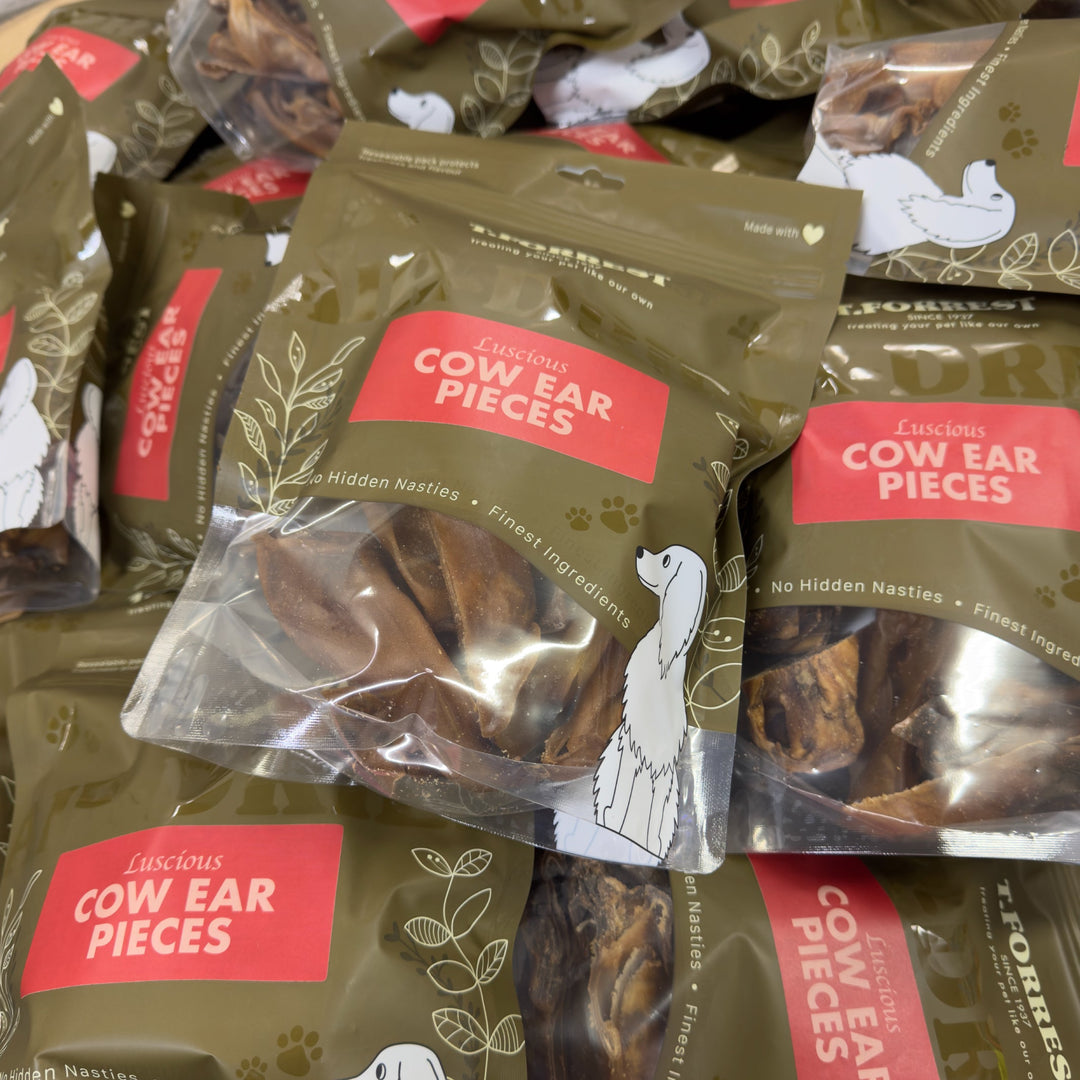
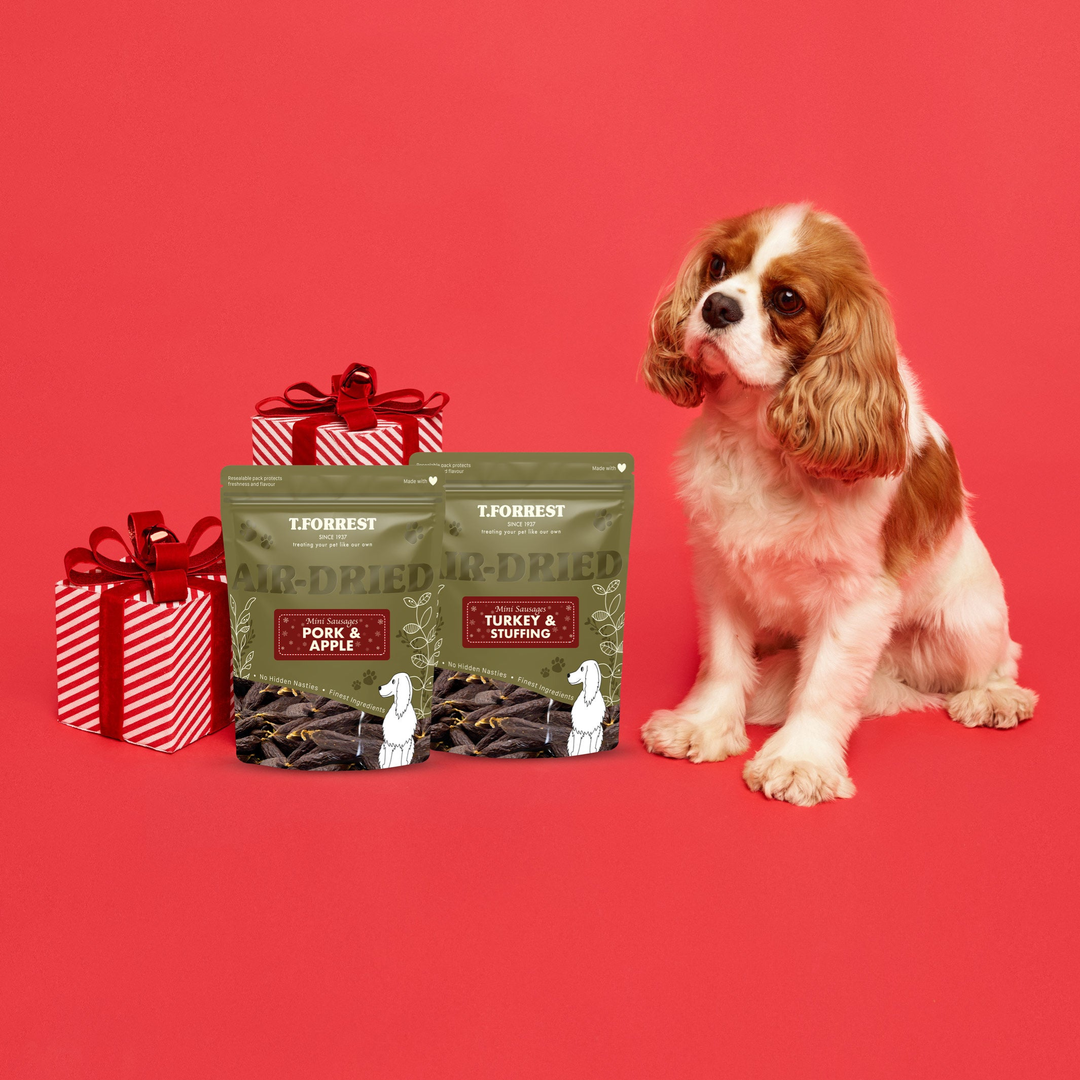
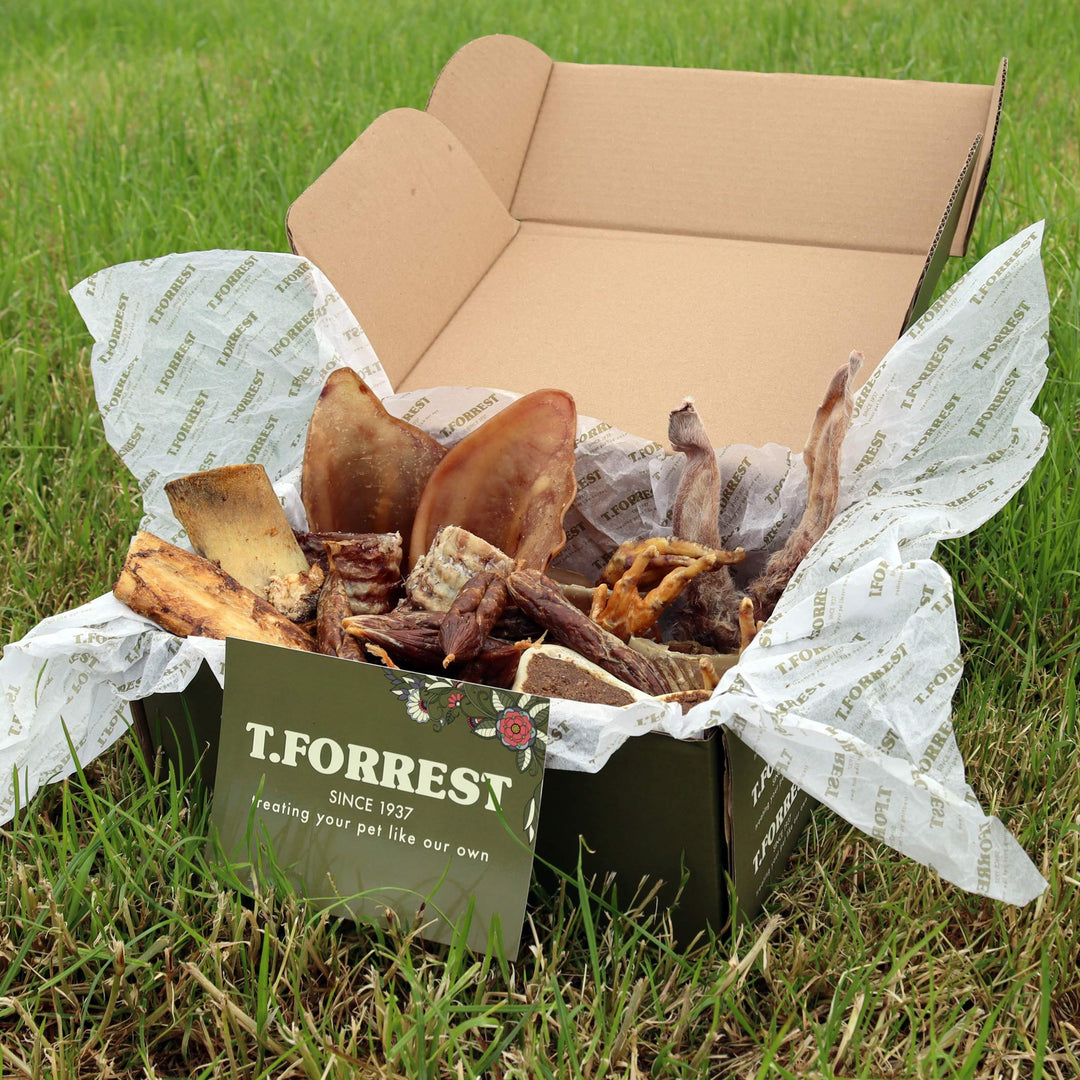
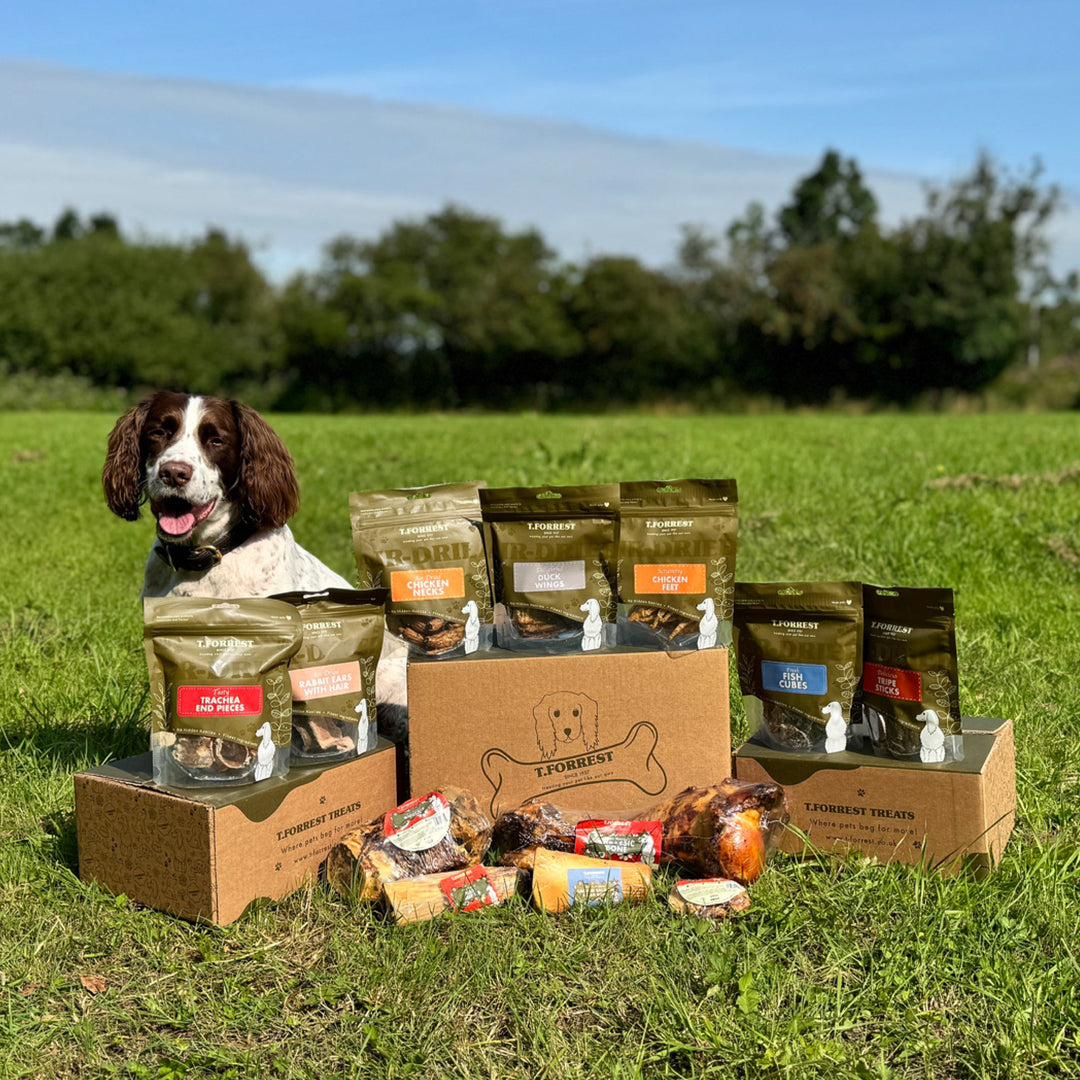
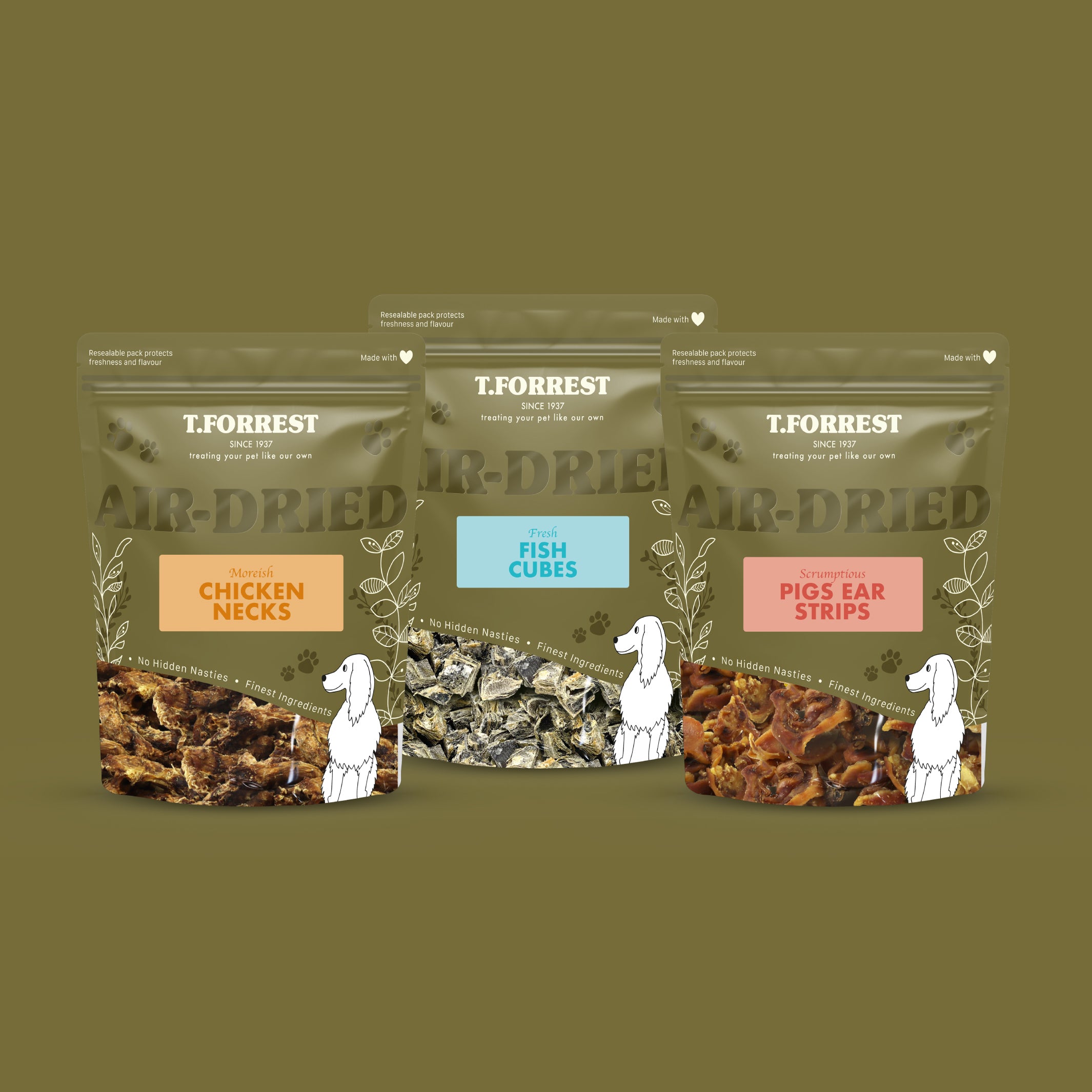
It’s good to have just one source of protein as well as being free of grain, gluten and all additives and preservatives that can irritate stomachs and skin. All our treats at T.Forrest are single ingredient and air dried to remove moisture, without additional ingredients that could trigger allergies.
Can you get hypoallergenic dog treats?
Absolutely, and for dogs who require hypoallergenic, treats is often the missing link to manage food sensitivities correctly. By using treats that we produce at T.Forrest, you can find:
- Single-source proteins such as lamb, beef, or fish
- Grain-free treats
- Natural ingredients with no artificial colours or preservatives
- Air-dried treats that maintain nutritional value
Because treats are given in small amounts, many owners overlook their importance. But even a few treats containing allergens can trigger symptoms. Switching to hypoallergenic treats ensures a consistent low-allergen approach.
What is the best food for hypoallergenic dogs?
Unfortunately, there is no one-size-fits-all approach as this is dependent on your dog’s allergies and which foods they respond badly too. However, some common diets that can support with better digestion include:
- Novel proteins such as salmon, lamb, or venison
- Limited ingredient recipes
- High-quality, natural ingredients
- Avoidance of wheat, soy, artificial additives, and common allergens
Be sure to consult your vet, understand what allergens your dog may have and therefore which proteins are the best option to feed your dog with.
FAQs
Can I feed my dogs regular treats whilst on a hypoallergenic diet?
No, dogs that are on a hypoallergenic diet should also have hypoallergenic treats, ensuring there are no triggers in any of their foods for allergies and digestive issues.
Are natural treats always hypoallergenic?
Not always. Natural treats can still contain common allergens, so look for single-protein or limited-ingredient options.
Are grain-free and hypoallergenic diets the same?
No, grain free is not the same as hypoallergenic diets, as grain free could also include separate proteins or additives that trigger allergies.
Can puppies eat hypoallergenic treats?
Yes, if the treats are age-appropriate and easy to digest. Many hypoallergenic treats are ideal for puppies with sensitive stomachs.
Do hypoallergenic treats taste different?
High-quality options, like those here at T.Forrest, use natural, flavourful ingredients. Most dogs enjoy them even more than standard treats.