


How To Keep Dogs Cool In The Summer
Walks in the sunshine, days spent outside - your dog loves summer just as much as you.
Given the choice, they would run and play all day long. It’s important to make sure your fur baby has everything they need to stay fit and healthy in the heat of the summer sun. However, keeping your dogs cool in the summer heat is about preparation. Whether it's at home in the garden or on a day trip, always ensure you have everything you need for you and your dog.
To help you keep your best friend comfortable and healthy this summer season. Here are some tips we have learned over the years. From keeping dogs cool in summer to knowing what to look out for if they start to overheat, we’ve got you covered:
- Cool walks
- The 5-second test
- Set an easy pace
- Short & sweet
- Plenty of water
- Don't over do it
- Provide some shade
- Take a dip
- Ice packs and cool pads
- Notice signs of overheating
- Hot cars
Cool walkies
Walk dogs in the morning or evening – before 8am and after 7pm is best. This stops them overheating in the midday sun. Adjusting your walking routine is one of the best ways to keep dogs comfortable, especially with puppies and older dogs.
If you think walking in a light jacket or jumper is too hot, then chances are it's potentially too hot for your dog to be exercising heavily.
Take the five second test
Pavements and sand can get very hot in the middle of the day. They can quickly burn your dog’s paws. Check the temperature of the pavement with your own hand – if it’s too hot for you to hold your hand there for 5 seconds, it’s too hot for your dog!
Hot pavements can cause severe burns, blisters and tissue damage, so this is one of the most important things to consider. Even staying in your garden can be much safer if you have a grassy area for your dog to play.
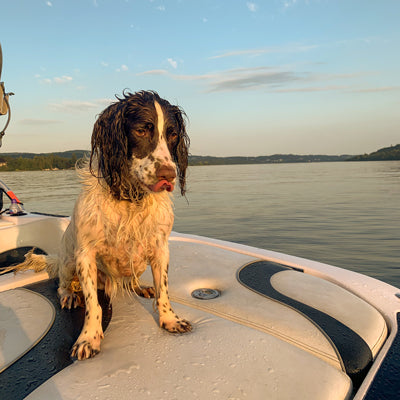
Set an easy pace
Even if your dog loves a good run, they need some encouragement to take it slow on hot days. Encourage them to slow down by setting a slower pace and giving them plenty of time to sniff and explore.
Short and sweet
During the summer month try taking two or three short walks throughout the day, instead of one long one.
Have plenty of water at the ready
Like us, dogs need plenty of water when walking in the heat, they can become dehydrated if they don’t drink enough, so always have water on hand. Fresh water should be available both whilst you're out and about, and when in your home, ensuring your dog can have regular drinking breaks whenever they fancy.
Other signs of dehydration can include:
- Excessive panting
- Dry gums
- Lethargy
- Sunken eyes
- Loss of appetite
Don’t over do it
If they had their way, most dogs would run around all day. It is really important not to let them over do it, because most dogs will play even when they are too hot.
Provide some shade
Always make sure they have a cool, shady place to relax. Without respite they can easily become overheated and dehydrated.
Take a dip
Let your dog take a cooling dip in some open water. However if you're on the beach, watch out for tides and always wash off any salt water and this can irate their skin. Not all dogs are natural swimmers so don’t throw them in or force them if they are not feeling it.
Ice packs and cool pads
You may be able to buy cooling packs from your local pet shop. If you can’t find them, an alternative is to wrap ice packs in a towel and pop that in your dog’s bed to cool it down.
Signs of overheating

Signs of heat exhaustion
A dog that's overheated can suffer from heat exhaustion, heatstroke and in some extreme cases, this can lead to death. If it's hot outside and you are concerned about your dog's health lookout for these tell-tale signs they need to cool down and possibly see a vet.
Dry nose and mouth
This is a sign of dehydration and means your dog needs water. You can gently test by pulling on the skin on the back of your dog's neck, if the skin springs back into place they are hydrated, if it takes a long time to return to its original position your dog is showing signs of dehydration.
Gum discolouration
Your dog's gums can go bright red and sometimes blue if they are too hot, check for any signs and if you notice something that's not right you will need to act quickly
Disorientation
This is a sign your dog is overheating. Look out for loud panting followed by confusion and sometimes collapse
Sickness
If your dog begins to suffer from vomiting or diarrhoea during a hot day this could be a sign that they are overheating and need attention immediately.
Dogs die in hot cars
Dogs can easily be affected by heatstroke and cars can very quickly turn into a heat box when left in the sun. This can be extremely dangerous for dogs and sometimes fatal, so make sure you don’t leave them even for a few minutes.
Even on days that are relatively mild, heat within a parked car can rise rapidly. When running errands, keep your dog at home where they can relax cool and comfortably, and only take them in the car if they're walking with you once you reach your destination.
If you are worried that your dog has signs of heatstroke, or is unwell, please call your vet to seek professional help.